Bedding care • A practical guide
How to Care for Delicate Bedding Without Damaging Its Fibres
Fine bedding rewards a light touch. Before washing cashmere, wool, silk or another delicate textile, learn what the fabric is made of, read its care label and consider whether cleaning is needed at all. A few careful habits can help bedding keep its softness, shape and useful life.
Begin with the fibre, not the washing machine
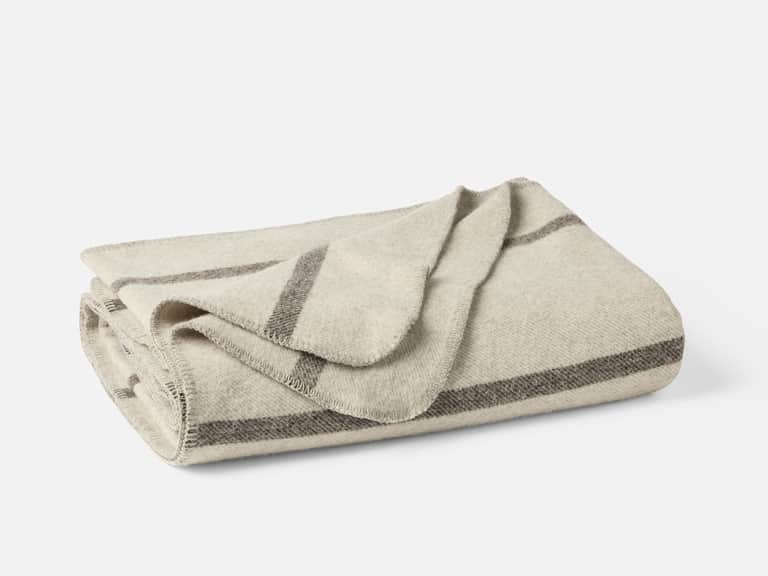
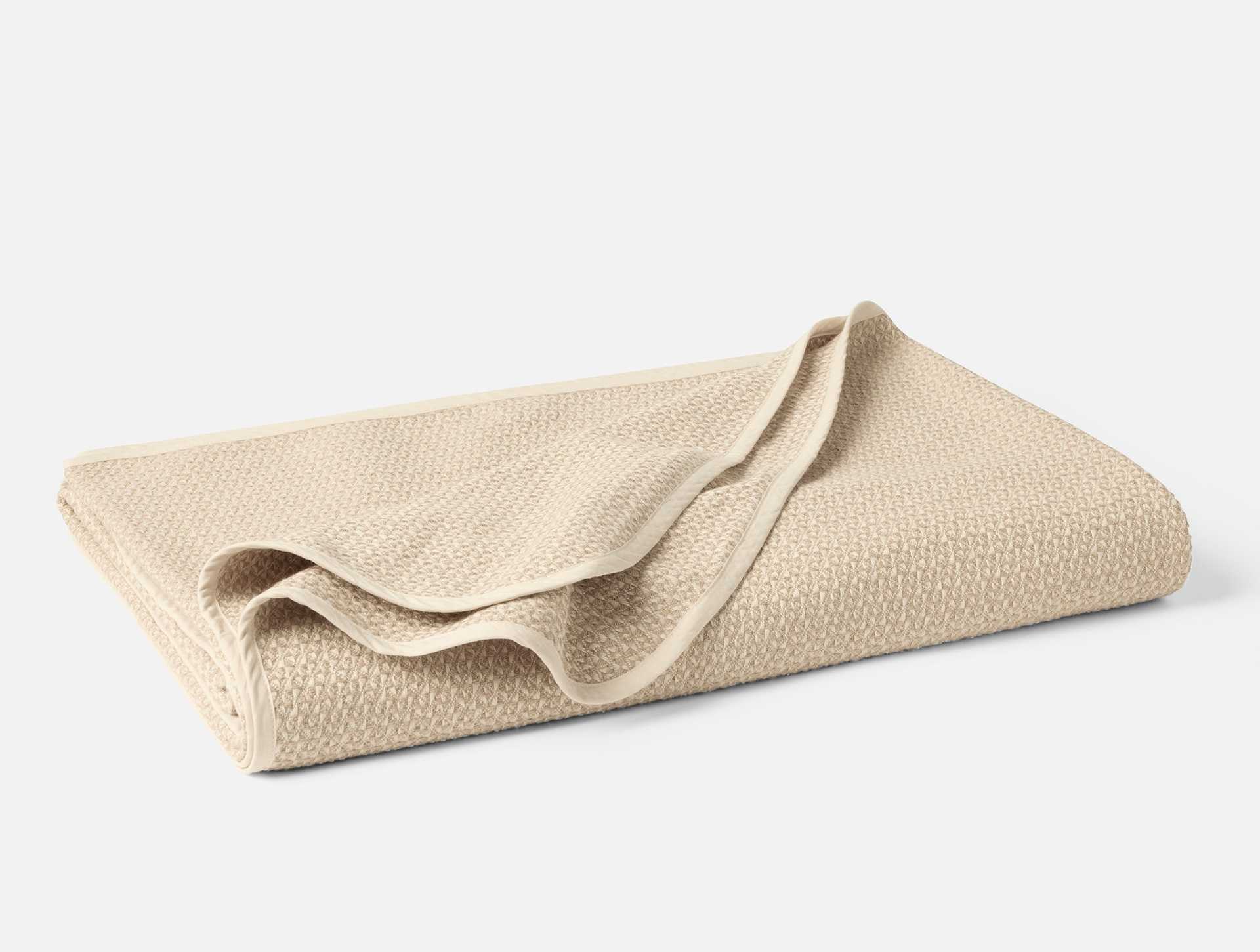
A blanket may look simple: a rectangle of fabric folded at the end of a bed or drawn over the shoulders on a cool evening. But its care depends on a hidden architecture: the fibres, the way they are spun, the weave or knit, the dyes, and the finishing that gives the surface its particular hand. Two blankets that feel similarly soft may respond very differently to water, heat and movement.
Cashmere, for example, is a fine animal fibre prized for its lightness and insulating feel. Wool, alpaca, silk, cotton and linen each have their own characteristics, while blends combine fibres with different needs. A cashmere-and-wool throw is not automatically cared for like a cotton blanket; a silk filling may have a different cleaning requirement from a cotton cover. Even within one fibre family, a brushed finish, open weave, fringe or delicate binding can affect what the textile will tolerate.
That is why the care label should be the first stop—not a guess based on touch, appearance or price. Look for the stated cleaning method, water temperature, drying instructions and any warnings about ironing or bleach. Check the full item, too: a removable cover, trim, lining or decorative edge may call for a more cautious approach than the main fabric.
If a label is missing, incomplete or difficult to interpret, avoid testing an unfamiliar method on the whole piece. Heat and vigorous washing can cause damage that cannot be undone. When the bedding is valuable, antique, heavily embellished or made from an uncertain blend, a textile-care professional can help assess it before cleaning.
Read care labels with care
Care symbols and wording are instructions, not suggestions to be overridden by a favourite laundry routine. “Dry clean only” means home washing may put a textile at risk, even if the fibre itself seems washable. Conversely, a label that permits machine washing is specific to that item’s construction and finish; it does not mean every blanket made from the same fibre can be treated identically.
Before laundering, check whether the label describes the product as a whole or gives separate instructions for different parts. A blanket with a stitched border may need gentler handling than a plain, sturdy cotton layer. If instructions say to use a gentle cycle, take that literally: choose the gentlest available setting and avoid overloading the drum. If the care guidance calls for professional cleaning, do not substitute a home method simply because it appears quicker.
It is useful to keep a note of care information after removing packaging or tags. Photograph the label or write the instructions down and store them with your household records. This small step is especially helpful for bedding that is used seasonally and may spend months in storage between outings.
Quick check: identify the fibre content, confirm the recommended cleaning method, inspect any trim or fringe, and make sure the bedding is actually ready to be cleaned.
Cashmere care: clean less, handle gently
Cashmere care begins with restraint. Regular washing is not automatically better, and unnecessary cleaning can expose delicate fibres to avoidable friction, temperature changes and stretching. Between uses, air the blanket in a clean, shaded place if the care instructions allow. Fresh air can help it feel ready to use again without subjecting it to a full wash.
Always follow the maker’s directions for a cashmere blanket. Some items are labelled dry-clean-only; others may provide different instructions. Do not assume that a method recommended for a cashmere jumper is suitable for a larger blanket. Its weight when wet, weave, finish and size can change how it behaves during washing and drying.
If the label permits hand washing, keep handling calm and consistent. Use the recommended water temperature and an appropriate detergent, and avoid rubbing, twisting or scrubbing. Sudden changes in temperature, rough agitation and wringing can encourage felting or distortion in animal fibres. Support the textile as you lift it, particularly when wet, because water adds weight and can pull the fabric out of shape.
Drying deserves equal attention. Do not hang a wet cashmere blanket from one edge or place it over a narrow rail if its weight will stretch the weave. Follow the label’s drying directions, keeping the item away from direct heat and strong sunlight unless the instructions state otherwise. If a flat drying method is permitted, use a clean, absorbent surface and reshape the blanket gently rather than tugging it into place.
These principles apply broadly to fine animal fibres, but they are not a substitute for the specific care label. Cashmere blends, different constructions and finishes can respond differently. When in doubt, pause before washing and ask for professional advice.
Choose a cleaning method that matches the textile
Delicate bedding does not all belong in the same category. Cotton blankets may be designed for routine machine washing, while wool or cashmere can require specialist care. Silk, alpaca and linen also vary by construction and finish. The goal is not to find one universal “gentle” method, but to match the method to the individual item.
- Machine washing: Use it only when the care label allows it. Select the recommended temperature and gentle setting, choose a suitable detergent, and leave enough room for the bedding to move without being tightly packed.
- Hand washing: Do not treat it as automatically risk-free. Water, detergent, handling and the difficulty of supporting a heavy wet item can all affect the result. Follow the product’s directions closely.
- Professional cleaning: Use the service specified by the label or seek a textile-care specialist for particularly delicate, valuable or uncertain pieces. Tell the cleaner about stains, previous treatments and any areas of concern.
- Spot treatment: Start by checking the label. Avoid aggressive rubbing and untested stain removers. If you try a permitted product, test it first on an inconspicuous area and stop if the colour or texture changes.
Detergent matters, too. More is not necessarily more effective: residue can remain in fibres and affect their feel. Avoid bleach and fabric softener unless the care instructions explicitly permit them. Do not combine cleaning products, and never use a stronger treatment merely to speed up stain removal.
Respond to spills without spreading the damage
A small spill can create an instinct to rub quickly. Resist it. Rubbing may push liquid deeper into the fabric, roughen the surface or spread the stain across a wider area. Instead, check the care label and gently blot with a clean, absorbent cloth, working from the outer edge toward the centre. Use light pressure and a fresh section of cloth as needed.
Do not pour water, detergent or household stain remover directly onto a delicate textile unless its instructions allow that treatment. A product that works on a washable cotton sheet may affect the colour or finish of a wool, silk or cashmere blanket. If the stain is large, oily, old or difficult to identify, professional advice is safer than repeated home experiments.
After blotting, let the fabric dry according to its care instructions. Keep it away from direct heat while damp, and do not store it until it is fully dry. Persistent moisture can contribute to unpleasant odours and may create conditions that damage textiles.
Reduce wear between cleans
The most useful bedding-care routine may be the one that prevents soil and friction from building up in the first place. Use blankets in a way that reduces contact with lotions, food, drink and cosmetics. Wash your hands before handling a particularly fine piece, and avoid pulling at loose threads or decorative fringe. If a blanket is used daily, rotate its position occasionally so the same area is not always folded, compressed or exposed.
Air bedding when appropriate, following the maker’s guidance. A clean, dry, shaded space is generally a safer choice than prolonged exposure to direct sunlight, which can fade colours. When airing is not practical, simply folding the blanket loosely after use can help prevent repeated stress on one sharp crease.
Small snags are best treated early, but do not pull a loose thread back through the fabric. That can tighten the surrounding weave and make the problem worse. If the item is valuable or the damage is spreading, consult a repair professional familiar with the textile. A careful repair may preserve more of the blanket than an improvised fix.
Store delicate bedding in a clean, dry place
Seasonal storage is a quiet test of good care. Before putting a blanket away, make sure it is clean enough for storage and completely dry. Stains and body oils can become harder to remove over time, while trapped moisture can leave odours or encourage damage. Follow the care label rather than laundering automatically; some items need professional cleaning before long-term storage.
Choose a dry, cool, clean place away from direct sunlight and damp walls. Avoid compressing delicate bedding under heavy objects for long periods, since pressure can flatten loft, distort folds or crease the fabric. Fold loosely and change the folds when practical. A breathable storage bag or clean cotton cover can help protect the textile from dust while allowing air circulation; avoid sealing a damp item in an airtight container.
Before using stored bedding again, inspect it in good light. Look for marks, loose edges, unusual odours or signs of pests. Give it time to air if the care instructions allow. If there is evidence of moisture or damage, address the issue before returning the blanket to a bed or cupboard.
Understand what “soft” and “cashmere-like” mean
Words describing a textile’s feel do not always identify what it is made from. “Cashmere-soft,” for instance, can describe a sensation rather than a fibre composition. A blanket may feel soft and still be made from cotton, acrylic or a blend. For accurate care, rely on the materials listed on the label, not a product name or marketing phrase.
That distinction matters because fibre content shapes both performance and maintenance. A blend can combine comfort, strength or ease of care, but its instructions depend on the finished textile. Check the stated percentages and care guidance together. If the composition is unclear, ask the manufacturer or retailer for written clarification before choosing a cleaning method.
It is also worth looking beyond fibre names. Weave density, yarn structure, dyes and finishing can influence how a blanket drapes, retains warmth and tolerates laundering. Good bedding care starts with understanding the whole object, rather than treating every item made from one named fibre as interchangeable.
A short checklist before you clean
- Read the care label and confirm the fibre composition.
- Check the whole blanket for trim, fringe, stitching, stains or loose threads.
- Ask whether cleaning is necessary, or whether airing and careful spot attention are enough.
- Use only a method the label permits; do not improvise with heat, bleach or vigorous washing.
- Support the textile during handling, especially if it is wet and heavy.
- Make sure the bedding is completely dry before storing it in a clean, dry place.
Care that protects more than appearance
A well-kept blanket is not simply a softer one. Careful cleaning and storage can help preserve its shape and extend the time it remains useful. That matters for delicate bedding, where the raw material, skilled construction and finish all contribute to the finished textile. Avoiding needless washing also means avoiding needless wear.
There is no single formula for cashmere care, bedding care or the maintenance of every fine textile. The reliable routine is a sequence of small decisions: read the label, identify the fibres, clean only when needed, handle gently and store thoughtfully. When instructions are missing or the consequences of a mistake would be costly, seek specialist guidance rather than experiment.
In a household, bedding moves through a quiet cycle of use, airing, cleaning and rest. Treating each blanket as a particular textile—not merely as another load of laundry—helps preserve the qualities that made it worth keeping in the first place.
Frequently asked questions
Can I machine-wash a cashmere blanket?
Only if its care label explicitly allows machine washing. Cashmere items differ in construction and finish, so do not rely on general advice for a different garment or blanket. Follow the stated cycle, temperature and drying directions.
How often should delicate bedding be cleaned?
There is no universal schedule. Follow the maker’s instructions and consider how often the bedding is used, whether it has become soiled and whether airing is suitable. Avoid washing simply out of habit when the item is clean and its care label calls for a more cautious approach.
Is hand washing always safer than dry cleaning?
No. Hand washing can still cause shrinkage, distortion or surface damage, particularly if a textile is heavy when wet or sensitive to water. Use the method stated on the care label and seek professional advice if it is unclear.
What should I do if the care label is missing?
Check with the maker or seller if possible. Until the fibre composition and care method are clear, avoid heat, vigorous washing and untested stain treatments. For a valuable or especially delicate piece, consult a textile-care professional.