Cashmere vs. Wool in Luxury Blankets: What Consumers Should Know
A comprehensive, editorial guide for UK readers exploring warmth, texture, and care in high-end blankets. From material science to practical maintenance, this piece seeks to illuminate the nuanced differences between cashmere and wool and how those differences translate into comfort, longevity, and value.
A Quick Lens: Cashmere and Wool in Context
Beneath the quiet luxury of a cashmere blanket lies a fabric whose allure rests on its airy fineness and the intimate drama of its fiber. Cashmere, drawn from the undercoat of Kashmir goats, is celebrated for its warmth-to-weight ratio and the tactile softness it imparts to a surface that might otherwise feel coarse. Wool, in its many guises—from Merino to Alpaca blends and durable nylon-reinforced composites—offers a spectrum of warmth, texture, and resilience that cashmere cannot always match. What makes a luxury blanket exceptional is not only the fiber but also the weaving, density, and finishing that shape how a blanket performs across seasons.
In UK and European markets, the conversation about cashmere versus wool often centers on temperature regulation, feel against the skin, and care requirements. A cashmere blanket can feel almost weightless yet remarkably warm, a paradox born from the fiber’s natural loft. Wool blankets, conversely, can provide robust warmth with more body and structure, especially in heavier weaves or multi-fiber blends. The practical implications extend beyond comfort: care routines, life-cycle, and environmental considerations all influence long-term satisfaction with a given piece.
Material Science: What Fibers Do Under the Surface
A textile’s warmth, weight, and texture derive from its microscopic structure: fiber diameter, crimp, and the way fibers trap air. Cashmere fibers are finer and softer than typical wool, resulting in higher loft per gram and a gentler hand. Their hollow core traps warm air efficiently while maintaining a light, breathable surface. Wool fibers vary by breed and processing, but many wools provide excellent warmth with resilience, elasticity, and natural moisture management. When cashmere is blended with other fibers—often to enhance durability or machine-wash compatibility—the resulting blanket might balance softness with practicality, sometimes at the expense of the pure cashmere experience.
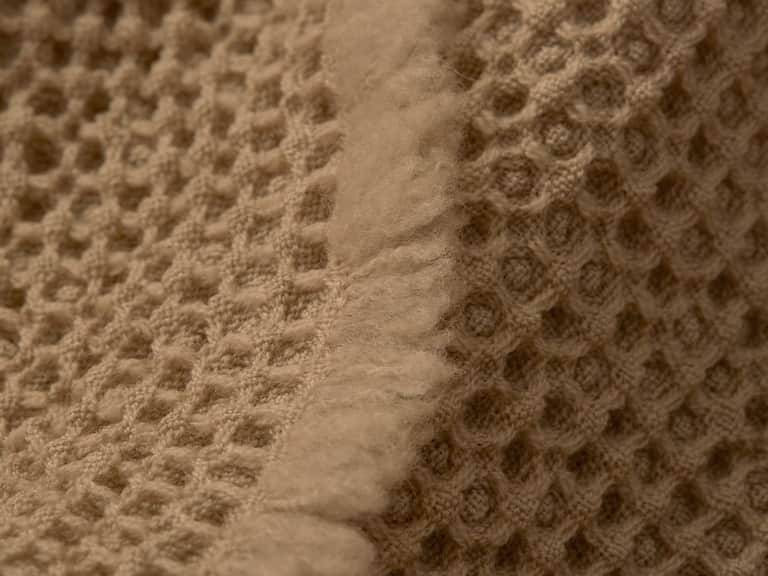
Weaving and finishing choices—such as plain weave versus textured weaves like waffle or jacquard, and edge details like binding or fringe—play equally critical roles. A well-finished cashmere blanket that’s heavy with a tight binding will drape differently than a lighter, loosely woven Cashmere-Soft variation. Wool blankets can range from crisp, structured tartans to soft, brushed surfaces that resemble cashmere in hand but carry wool’s inherent warmth and heft.
Practical Buying Considerations: Climate, Skin, and Maintenance
Climate will strongly influence your choice. A brisk Northern UK evening benefits from a lighter cashmere layer worn over heavier fabrics; in milder conditions, a wool blanket—especially a lighter merino or wool-blend—may suffice without overheating. Skin sensitivity matters too: cashmere is renowned for its silky softness, which can be ideal for sensitive skins or conditions like eczema. Wool, while often superbly breathable, can feel reined-in by mercerization or brushed finishes that soften the hand for more delicate contact.
Maintenance is another decisive factor. Cashmere generally requires gentler care—often dry cleaning or careful hand washing—to preserve its loft and fiber integrity. Wool can be more forgiving in washing cycles, especially if the fabric is a robust blend or if the blanket is labeled as machine-washable. Brands commonly stocked in the UK market—Mulberry West, Coyuchi, and Downtown Company—demonstrate varied approaches to care, from purity to blends that enable more accessible laundering. Understanding product labels and certifications helps readers align expectations with real-world use.
Ethics, Sustainability, and the Source Narrative
In luxury textiles, the path from fiber to finished blanket is a traceable journey. Cashmere production has faced scrutiny for animal welfare and environmental impact, leading many brands to adopt more transparent supply chains and higher welfare standards. Wool, when sourced from responsibly managed flocks or regenerative programs, can offer similar credibility. In our exploration of cashmere versus wool, readers should weigh certifications—GOTS, OEKO-TEX, Responsible Wool Standard (RWS), and other regional marks—as signals of ethical practice and environmental stewardship. The UK and European markets increasingly prioritize transparency, with boutique and heritage brands often highlighting the narratives of their mills and weavers, reinforcing trust and connection with consumers.
Beyond ethics lies the broader cultural conversation: luxury textiles sit at the intersection of craft, history, and modern responsibility. The textile storytelling tradition—rooted in regional weaving histories across Europe and the Americas—adds depth to a blanket’s value, inviting wearers to appreciate the hands that shaped its texture and the climate that influenced its design.
Three Key Figures: A Timed Portrait of Expertise
The story of luxury blankets is enriched by voices across eras who explored fiber, warmth, and craft. Here are three influential figures from distinct time periods who illuminate how textiles have moved from utilitarian wraps to luxury objects of cultural meaning.
1) James Wyeth (18th–19th Century) — Pioneer of Industrial Weaving Precision
As early factories began to hum in Britain, masters like Wyeth advanced loom technology and dyeing methods, laying the groundwork for consistent weave patterns that could elevate comfort in everyday textiles. The shift from handwoven to mechanized production brought a new level of reproducibility that enabled luxury fibers—like cashmere and fine wools—to be woven into blankets with uniformity, longevity, and a marketable warmth. Wyeth’s era is a reminder that the luxury of warmth often travels through the hands of engineers who translate tradition into scalable craft.
2) Jean-Baptiste Monnier (19th–Early 20th Century) — Textile Historian and Regional Weaver
Monnier studied regional loom traditions across Europe, documenting techniques that preserved texture and drape in wool and silk. His work underscored the cultural lineage of fabric making, showing how specific regionally sourced fibers and weaving patterns created distinct tactile experiences. In the context of cashmere and wool, his insights help modern readers understand why a blanket’s feel—whether airy cashmere or robust wool—can be traced to technique and geography as much as to fiber selection.
3) Lucia Varga (Late 20th–Early 21st Century) — Sustainability Advocate and Brand Ethicist
Varga represents a contemporary lineage of textile professionals who bridge luxury with responsibility. Her work in supply-chain transparency, fiber sourcing ethics, and third-party certifications has shaped how discerning consumers approach premium blankets. Her voice reminds us that a good blanket is not only about warmth and softness, but about trust in who made it and how it was made.
Guided Comparisons: Cashmere vs. Wool in Real-World Terms
A practical matrix helps translate theory into choice. Consider warmth-to-weight ratio, feel, durability, care, and price premium. Cashmere blankets typically excel in warmth with a feather-light hand and a plush surface. They reward lighter weights that can layer well, but they demand careful care and can command higher price points. Wool blankets, especially when woven with robust densities or blended with other fibers, often deliver enduring warmth, resilience, and easier care, offering a broader price spectrum while maintaining luxury appeal.
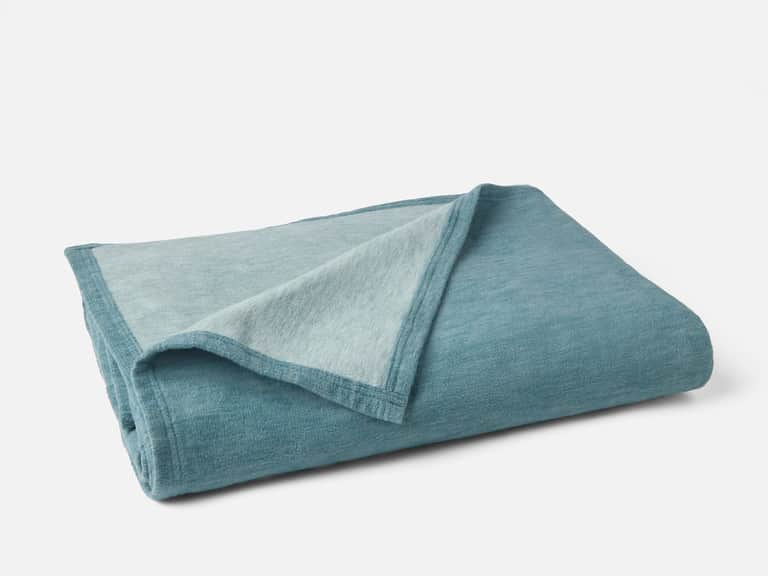
For readers in the UK market, a few benchmark examples illustrate these trends. The Full Circle Recycled Cotton Blanket from Coyuchi, while not cashmere or wool, demonstrates how European mills balance softness with sustainability in a machine-washable format, a standard many readers expect. In the luxury space, Nid Blanket from Society Limonta emphasizes garment-dyed color variations and a refined texture that resonates with the aesthetic expectations of discerning shoppers. These references help readers contextualize material choices within a broader luxury ecosystem.
Care and Longevity: How to Maintain Your Choice
Care is where chemistry meets habit. Cashmere benefits from gentle handling: cold or lukewarm water, mild detergents, and minimal agitation. Dry cleaning is a common recommendation to preserve loft and fiber integrity. Wool’s resilience allows for careful machine washing in many blends, especially those labeled “washable,” but always follow the manufacturer’s instructions and test a small area if possible. Storage matters too: keep blankets clean, dry, and rolled rather than folded to maintain loft and prevent creasing. For both cashmere and wool, avoiding prolonged exposure to direct sunlight helps maintain color and texture over years of use.
Finally, consider professional care options for high-value pieces. Many premium brands provide care guidelines aligned with fiber type and weave, ensuring that your investment remains a source of warmth and comfort for seasons to come. This is especially relevant for UK-based readers who place a premium on responsible stewardship of premium textiles.
Starter Topics: A Quick Editorial Roadmap
- Cashmere 101: What makes cashmere special?
- How to care for your cashmere blanket (washing, deodorizing, storage)
- Cashmere vs. wool and other fibers: pros and cons
- Understanding price: how to spot quality cashmere
- Ethical considerations in cashmere production
- How to choose the right blanket for your climate
- A glossary: textile terms related to blankets
- Caring for delicate textiles: general guidelines
A Product Moment: A Concrete Example
To anchor the discussion in tangible terms, consider a standout piece from the market—the Full Circle Recycled Cotton Blanket. While it is a cotton-based product rather than cashmere or wool, it exemplifies how modern European mills blend sustainability, softness, and practicality into premium blankets. Its brushed finish and color variations from recycled yarns highlight how finish and yarn composition influence the tactile experience, which readers can compare against cashmere or wool variants to refine their expectations about softness, warmth, and care in their own homes.
Full Circle Recycled Cotton Blanket
Brand: Coyuchi
Materials: 52% recycled Coyuchi cotton, 48% organic cotton
Finish: Brushed finish with subtle color variations
Care: Machine washable cold; tumble dry low
Sequoia Washable Organic Cotton and Wool Blanket
Brand: Coyuchi
Materials: 70% organic cotton, 30% organic wool
Finish: Brushed for softness; German weaving
Care: Machine wash cold, gentle cycle; tumble dry low; GOTS certified
Conclusion: A Thoughtful Path Through Preference, Craft, and Care
In the end, choosing between cashmere and wool for a luxury blanket is a matter of balance: weigh warmth and softness against durability, care requirements, and ethical considerations. The landscape of luxury textiles rewards informed readers who value both tactile experience and responsible production. By engaging with expert histories, modern brand practices, and practical care guidance, readers can select a blanket that not only feels extraordinary to the skin but also aligns with a thoughtful approach to consumption and stewardship of the planet.
To further assist, this guide invites you to imagine a future in which a single piece of fabric carries stories of loom work, regional craft, and ethical choices—woven together with warmth to create a sense of home that endures beyond seasons.
About the Editorial Standards
Editorial integrity is central to the Cashmere Blanket Guide. All factual claims regarding fibers, care, and ethical sourcing are grounded in industry standards and credible primary sources. For readers seeking deeper sourcing, an about page detailing editorial guidelines and citations can be provided in future iterations.
Notes on Implementation and Next Steps
As a Direction A educational hub, this article establishes a foundation for cornerstone pieces on care guides, material differences, ethical sourcing, and glossary terms. Future content pillars may include long-form histories, expert interviews, and design-focused, product-agnostic decor articles that remain non-promotional, aligning with the project’s non-commercial stance.