Bedding · Fibre labels · Consumer guide
When “Cashmere-Soft” Isn’t Cashmere: Reading Fibre Labels with DownTown Company
A blanket can feel soft as a cloud without containing a single cashmere fibre. To understand what is in the fabric, look past the evocative description and find the materials statement: the plain-language account of the fibres used to make it.
Published 13 November 2026
A hand brushes a blanket’s surface. It yields, smooth and gentle, with a touch that seems to promise warmth. The word cashmere may come readily to mind—and it may appear in a product description, too. But softness is a sensation, not a fibre. A textile described as “cashmere-soft” or “cashmere feel” may contain no cashmere at all.
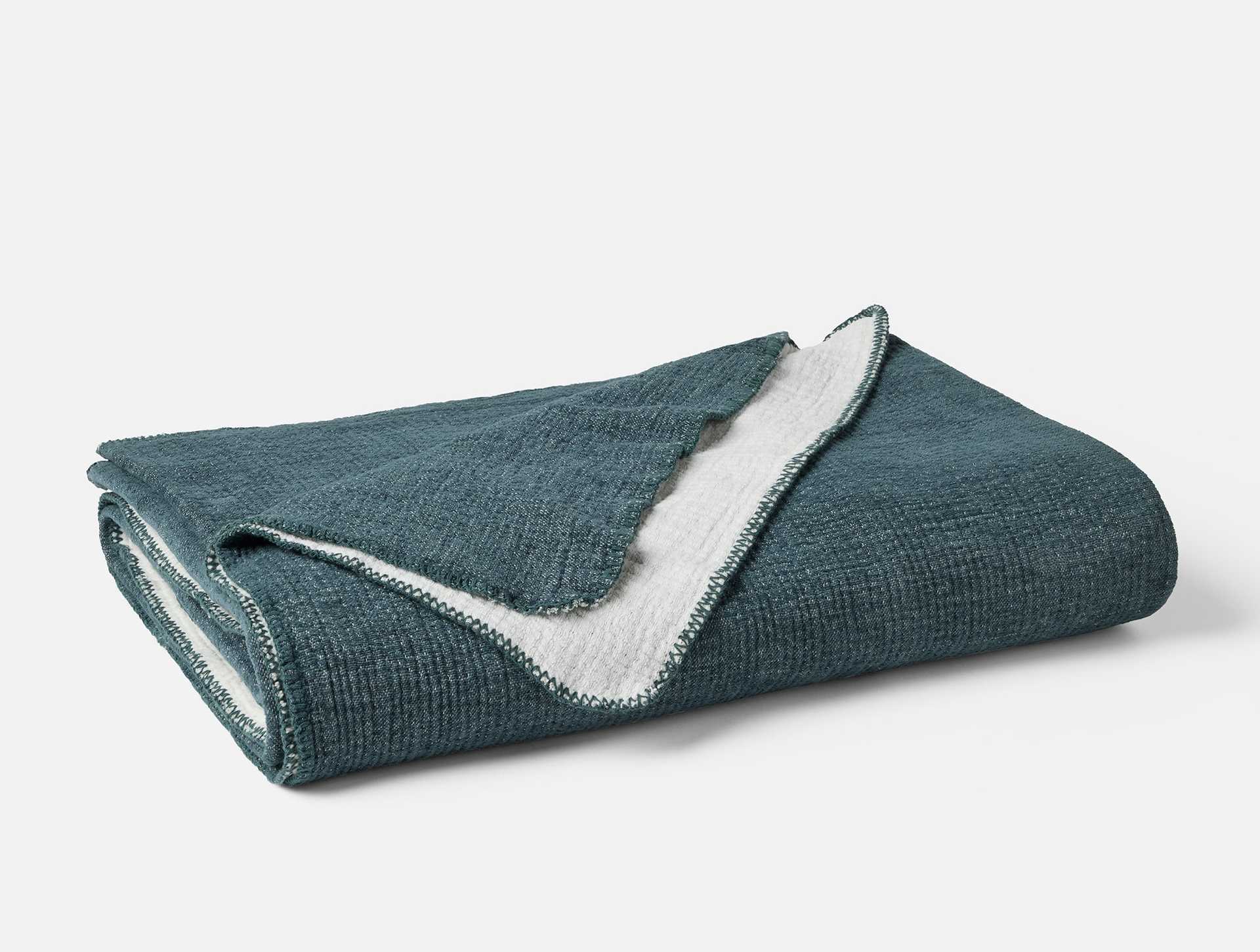
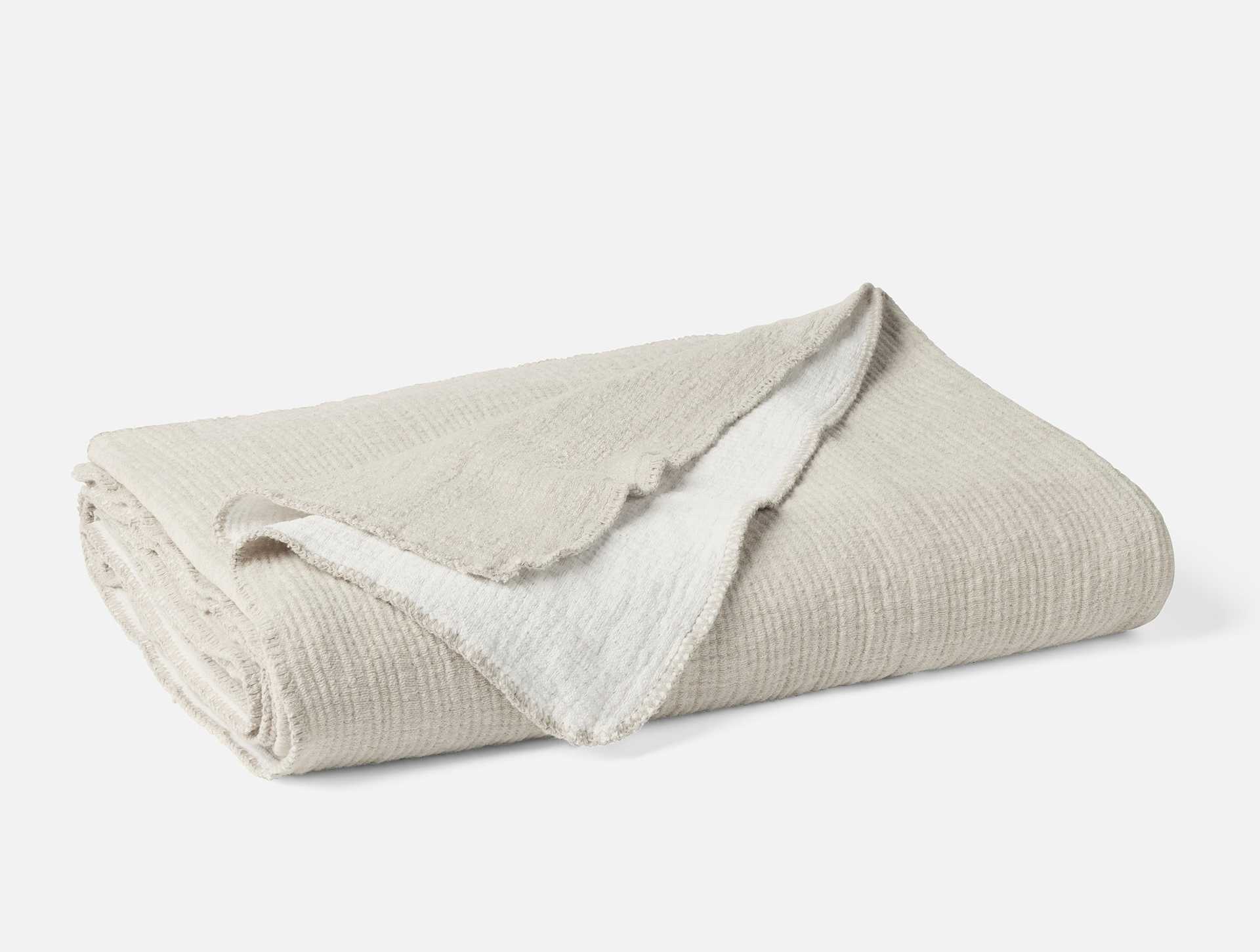
That distinction matters when you are comparing blankets, considering care, or trying to understand what your money buys. In the case of the DownTown Company Cashmere-Soft Blanket and Throw, the stated composition is 50% acrylic and 50% cotton. “Cashmere-soft” describes the intended feel; it does not replace the fibre-content information. Reading the two kinds of wording separately is a simple way to make a more informed choice.
This guide explains what feel-based language can—and cannot—tell you, how to locate and interpret a fibre label, and which other details help explain a blanket’s likely use and upkeep. The principle is straightforward: treat descriptive wording as a clue about touch, and the materials statement as the answer to what the textile is made of.
What does “cashmere-soft” mean?
On its own, “cashmere-soft” communicates a comparison or a sensory impression. It suggests that a fabric is intended to feel soft, gentle or luxurious in a way people associate with cashmere. It does not, by itself, tell you that cashmere fibre is present.
Similar expressions include “cashmere feel,” “cashmere-like,” “silky,” “wool-like” and “soft-touch.” These phrases can help describe a textile’s character, but they are not a substitute for its fibre composition. A blanket may be soft because of its yarns, weave, finishing process or combination of fibres. The description alone does not identify which of those factors produced the feel.
In everyday language, texture and material are often blurred together. We might call something “silky” because it is smooth, even when it is not silk. The same distinction applies here. A phrase that uses the name of a familiar luxury fibre can convey an impression without establishing that the fibre is part of the cloth. For that, look for a clear materials statement such as “100% cashmere” or a percentage breakdown of the fibres.
It is also useful to avoid assuming that every phrase has a single technical meaning. Product wording can vary, and terms should be read in context. If the fibre composition is absent, unclear or inconsistent across a product page and its label, ask the retailer to clarify before relying on the description.
The DownTown Company example: feel and composition, side by side
The DownTown Company Cashmere-Soft Blanket and Throw offers a clear example of why these details need to be separated. Its product information describes a cashmere-soft feel and states a composition of 50% acrylic and 50% cotton. Those statements answer different questions:
- “Cashmere-soft” describes the intended tactile impression.
- “50% acrylic and 50% cotton” identifies the stated fibre blend.
- “Washable” gives care information, though the care label on the item should be checked for the specific instructions.
The product information also describes the blankets as made in Portugal, with White and Cream options. The throws have fringed edges, while the blankets have matching binding. These are useful details about origin, appearance and finishing, but none changes the meaning of the fibre percentages.
You can read the product details for the DownTown Company Cashmere-Soft Blanket and Throw. The name is an example of feel-based wording; the stated blend is the key information for understanding composition.
A 50/50 blend is not a lesser version of cashmere; it is a different material choice. Acrylic and cotton each contribute their own characteristics, and their behaviour depends on yarn, construction and finishing. The important point is not to rank fibres by a single word such as “luxury,” but to know what is in the blanket and consider whether its characteristics suit your needs.
Where to look for the fibre content
When shopping online, begin with the product’s materials or composition section rather than the headline, name or opening description. Retail pages may use inviting language to establish a mood, while composition details appear farther down the page or inside a specifications list. Search for terms such as material, composition, fibre content or fabric.
For a blanket you already own, inspect any sewn-in label, packaging or accompanying care information. The label may include both fibre content and washing instructions. If the product listing and physical label appear to differ, do not guess: contact the seller or manufacturer and ask which information applies to the specific item.
On a composition statement, percentages usually indicate the share of each named fibre in the textile. For example, “50% acrylic, 50% cotton” means the listed composition is split equally between those two fibres. “100% cashmere” is a very different claim: it identifies cashmere as the stated fibre throughout the material, subject to the applicable labelling rules and product details.
For UK shoppers, fibre names and descriptions are subject to textile labelling requirements. Rules and guidance can change, and details may depend on the item and how it is sold. When a label is incomplete or confusing, seek clarification from the retailer or consult current official consumer guidance rather than relying on a marketing phrase to infer the composition.
A practical way to read a blanket description
Product pages often place several kinds of information together. Separating them makes the description easier to assess and helps prevent a word about feel from being mistaken for a statement about material.
- Find the composition. Note every named fibre and its percentage, if provided. This is the first place to look when you want to know what the blanket contains.
- Read the feel language as description. Words such as “soft,” “cosy” or “cashmere-like” may communicate an intended handfeel, but they do not establish fibre content.
- Check construction and finish. Weave, knit, brushing, chenille yarn and other finishing details can influence texture and drape. They add context, but are not a substitute for a composition statement.
- Look for care instructions. Washing and drying guidance can help you judge how a blanket fits into your routine. Follow the care label for the item you have, rather than assuming that all blankets containing the same fibre should be treated identically.
- Check origin and certifications separately. A country-of-origin statement and a certification answer different questions from fibre composition. Neither, on its own, proves that a blanket contains cashmere.
- Ask if important details are missing. If the materials statement is unclear, request the exact fibre breakdown before making a decision.
Why fibre content matters beyond the name
Composition is more than a technical footnote. It helps set reasonable expectations for care, feel and use. Natural and manufactured fibres can behave differently, but the fibre name alone cannot predict everything: the weave, yarn, fabric weight and finishing all affect the result. Two blankets made from the same broad fibre category may feel and perform quite differently.
Cotton is a plant-based fibre commonly used in bedding and home textiles. Acrylic is a manufactured fibre. In a blend, the two are combined in one material rather than presented as separate layers. The precise experience of a 50/50 acrylic-cotton blanket depends on its construction and finish, so avoid inferring every property from the percentages alone. The label supplies a starting point for understanding the textile, not a complete test of its performance.
Care instructions are especially valuable. “Washable” is useful as a general description, but it does not necessarily specify the water temperature, cycle, drying method or other precautions. A product page may give broad guidance; the care label attached to the blanket is the most relevant reference for the item in your hands. When washing instructions are absent or difficult to interpret, ask the seller for advice before using a method that could damage the textile.
Composition can also help shoppers compare like with like. If one blanket contains cashmere and another is an acrylic-cotton blend, they are not interchangeable simply because both descriptions promise softness. They may differ in origin, price, care requirements and tactile character. A clear comparison begins with what each one is made from, then considers construction and practical use.
Cashmere, wool, cotton and acrylic: names that answer different questions
Cashmere is an animal fibre associated with a soft, fine feel and lightweight warmth. Wool is a broader fibre category that can vary considerably according to its source and processing. Cotton comes from a plant, while acrylic is manufactured. These names identify material categories; they do not describe every detail of a finished blanket.
A product may contain one fibre or a blend. A blend statement should name the fibres and, where provided, their proportions. If a description says “cashmere feel” but the composition lists cotton and acrylic, the composition is what tells you the stated materials. Conversely, if a product claims cashmere content, look for the precise wording and percentage rather than treating the word in a product name as enough information.
It is also worth keeping the idea of “natural” separate from the idea of “better.” Fibres differ in origin and characteristics, and shoppers may value different things: softness, ease of care, warmth, breathability, durability, sourcing information or cost. There is no single label word that settles all those questions. A careful choice matches the material and construction to how the blanket will be used.
Common label-reading mistakes
- Taking a product name literally. A name containing “cashmere-soft” does not, by itself, prove cashmere content. Find the composition statement.
- Confusing softness with fibre identity. Many different materials can be made or finished to feel soft. Touch alone cannot reliably identify a fibre blend.
- Assuming “blend” means a particular ratio. The word indicates that more than one fibre is used, but the percentages matter. Check for the full breakdown.
- Reading a care claim as a material claim. “Washable” concerns upkeep; it does not tell you whether a blanket is cashmere, cotton or acrylic.
- Treating origin as proof of composition. A statement about where a textile was made or woven does not identify which fibres it contains.
- Relying on one line of promotional copy. Compare the title, description, specifications and physical label. If they do not agree, ask for clarification.
Questions to ask before choosing a blanket
A short checklist can make online shopping more deliberate. Before deciding, ask:
- What fibres are listed, and what percentage of each is present?
- Does the product use a feel-based phrase, a composition claim, or both?
- Are the construction and finish described clearly enough to explain the texture?
- What are the care instructions, and do they suit the way I plan to use the blanket?
- Is the stated origin clear, and is any certification relevant to a question I care about?
- Does the product information answer the questions that matter to me, or do I need to contact the retailer?
These questions are useful whether you are shopping for a bed layer, a sofa throw or a blanket to keep nearby on a cool evening. They keep the focus on evidence and practical fit rather than letting a single evocative phrase do all the work.
A compact glossary for bedding labels
- Fibre content or composition
- The stated fibres in a textile, often given as percentages.
- Blend
- A material made using two or more fibres. The composition statement should identify which fibres are included.
- Handfeel
- The way a fabric feels to the touch, including qualities such as softness, smoothness or stiffness.
- Finish
- A process or treatment applied to a textile that may influence its surface, appearance or feel.
- Care label
- Instructions or symbols indicating how a particular item should be cleaned and maintained.
- “Cashmere-soft”
- A descriptive phrase suggesting a feel associated with cashmere. It should not be taken as proof of cashmere fibre content; check the composition.
The clearest rule: let the composition do the naming
Words about softness can help you imagine how a blanket might feel. They are part of the language of textiles, and they have a place in product descriptions. But when the question is whether a textile contains cashmere, the answer does not come from a comparison to cashmere. It comes from the fibre-content statement.
In this example, DownTown Company’s “Cashmere-Soft” wording describes the feel, while the listed 50% acrylic and 50% cotton composition identifies the blend. Keeping those statements distinct makes the description easier to understand and the comparison fairer. It also gives you a more useful basis for considering care, construction and suitability.
The habit is simple: read the evocative phrase, then look for the material facts. A soft touch may invite you to reach for a blanket; a clear label tells you what you are holding.
Frequently asked questions
Does “cashmere-soft” mean a blanket contains cashmere?
No. The phrase describes an intended feel or comparison. Check the fibre composition for a statement of cashmere content.
What is the stated composition of the DownTown Company Cashmere-Soft blanket?
The product information lists a blend of 50% acrylic and 50% cotton. Its “cashmere-soft” wording describes feel, not fibre composition.
Can you tell what a blanket is made from by touching it?
Not reliably. Different fibres and finishes can produce similar sensations, and touch is not a substitute for the composition label.
If a blanket is described as washable, should I wash it any way I like?
No. Check the care instructions for the specific item and follow them. A broad “washable” description does not supply every detail of the recommended method.
What should I do if the product page and label give different information?
Pause before relying on either version and contact the retailer or manufacturer for clarification. Ask them to confirm the composition and care guidance for the exact item.